

Designing a new home is exciting, but getting the storage right can be surprisingly challenging. Learning how to work with an interior designer can make a big difference, especially when you have specific storage needs that need to be incorporated into the design from the beginning.
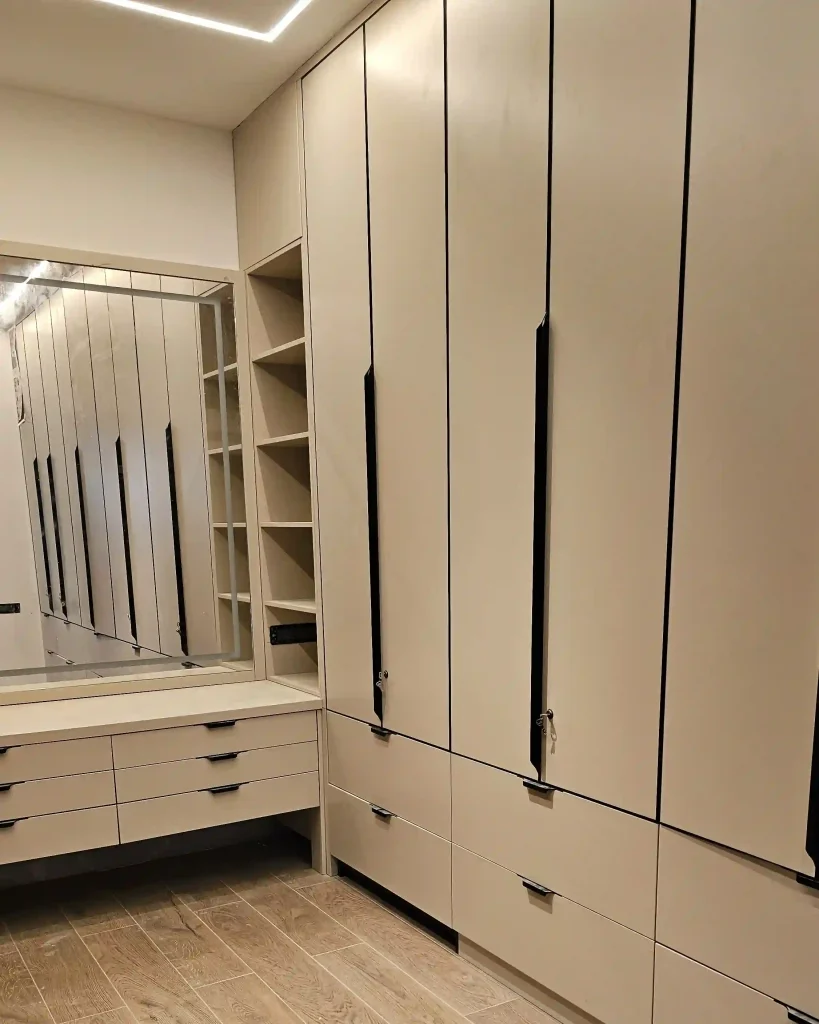
A beautiful home may look perfect in a 3D visual, but the real test begins when you move in and start using it every day. Where will the extra bedsheets go? Will your kitchen appliances fit? Do you have enough space for your shoes, handbags or seasonal clothing?
Good design should answer these questions before the furniture is made.
1. Start with Your Storage Requirements
Before discussing colours, finishes and furniture styles, make a list of everything you need to store.
Think about your actual belongings rather than simply counting cupboards. Consider clothes, shoes, bags, books, kitchen appliances, groceries, documents, children’s belongings and seasonal items.
This gives your designer a realistic understanding of your storage requirements for home and helps them create storage around your lifestyle.
2. Understand How to Work with an Interior Designer
Knowing how to work with an interior designer means communicating your requirements clearly and early.
Instead of saying, “I need more wardrobe space,” explain what the wardrobe needs to accommodate. For example, you may need long hanging space for dresses, double hanging for shirts and trousers, drawers for accessories and shelves for folded clothes.
The more specific you are, the easier it becomes for your designer to translate your requirements into an actual design.
3. Plan Storage Before Finalising the Design
Storage should not be something that gets added after the main design is complete.
Good home storage planning starts alongside the room layout. The placement of wardrobes, kitchen units, storage cabinets and other furniture can affect movement, accessibility and even electrical points.
Discuss storage while the drawings are still being developed. Changes are much easier at this stage than after the furniture has been manufactured.
4.Think About Accessibility, Not Just Capacity
Having more storage does not automatically mean having better storage.
A deep shelf may technically hold a lot, but if you cannot easily reach the items at the back, it may become difficult to maintain. Similarly, very high shelves may not be practical for things you use regularly.
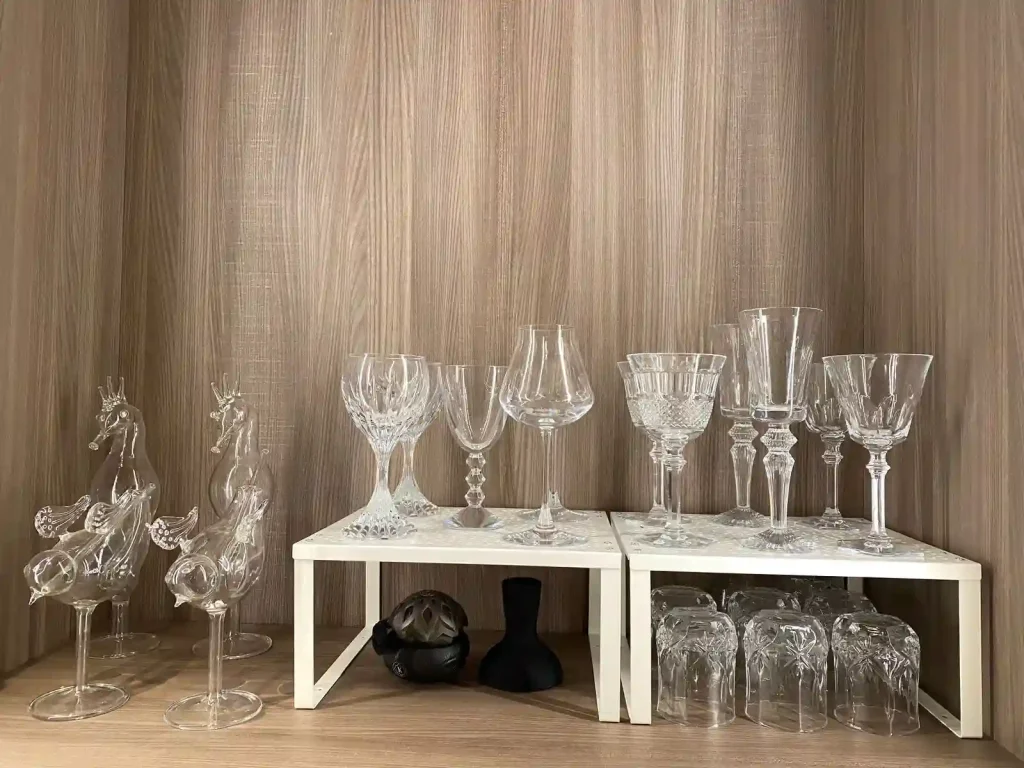
Think about frequency of use when discussing interior design storage solutions. Everyday items should ideally be easy to see and reach, while seasonal or rarely used belongings can be placed in less accessible areas.
5. Discuss Wardrobes and Kitchens in Detail
Two areas where storage planning makes a major difference are wardrobes and kitchens.
For wardrobe storage planning, discuss hanging requirements, folded clothing, accessories, bags, shoes and seasonal items. Ask your designer to show the internal wardrobe layout instead of reviewing only the external elevation.
For kitchen storage planning, consider appliances, cookware, groceries, serveware and your regular shopping pattern. Storage should reflect how you actually use the kitchen rather than simply filling every available space with cabinets.
6. Review Drawings With Your Belongings in Mind
When reviewing drawings, don’t look only at whether the design is visually appealing.
Ask practical questions:
- Can the storage be maintained easily?
- Will my existing belongings fit?
- Will my existing belongings fit?
- Is there enough space for future purchases?
- Can I reach everything comfortably?
- Are the shelves too deep or too high?
- Where will frequently used items go?
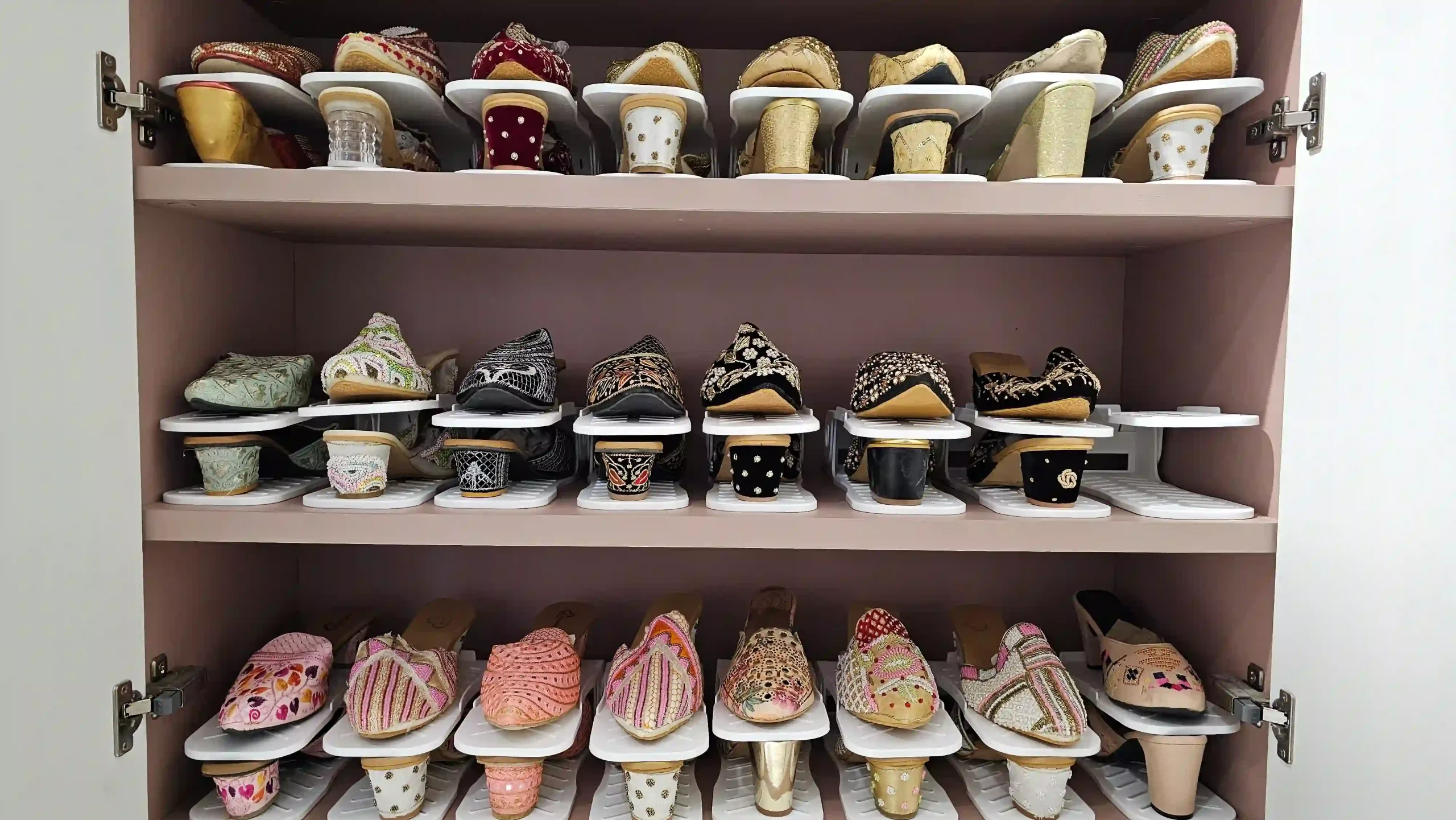
This is one of the most useful parts of learning how to work with an interior designer. You are not just approving a design; you are checking whether it will work for your everyday life.
7. Bring in Organising Expertise When Needed
.An interior designer focuses on creating the overall space, while an organising professional can look closely at how your belongings will be stored and used within that space.
At Sort Story, we help homeowners think through functionality, storage and organisation before spaces are finalised. Our Space Consultation service can help you identify practical storage requirements and create systems suited to your lifestyle.
You can also follow us on Instagram at @thesortstory for practical organising ideas, storage inspiration and real-life home transformations.
A Beautiful Home Should Work for You
The goal of how to work with an interior designer is not to tell your designer exactly how to do their job. It is about making sure your lifestyle, belongings and priorities are understood before decisions are finalised.
When design requirements, storage needs and everyday habits are discussed early, the result can be both beautiful and functional.
After all, the best home is not simply one that looks organised on the day it is completed. It is one that makes everyday life easier to organise and maintain.


